
It’s no secret that having a great credit score is beneficial today. It makes being approved for loans easier and ensures you pay less interest on those financial obligations. But its benefits stretch beyond loans. For instance, some employers will check your credit score before hiring you. Landlords will often review your credit before you can move in. And some companies, such as utilities, may waive the required deposit if your score is high enough.
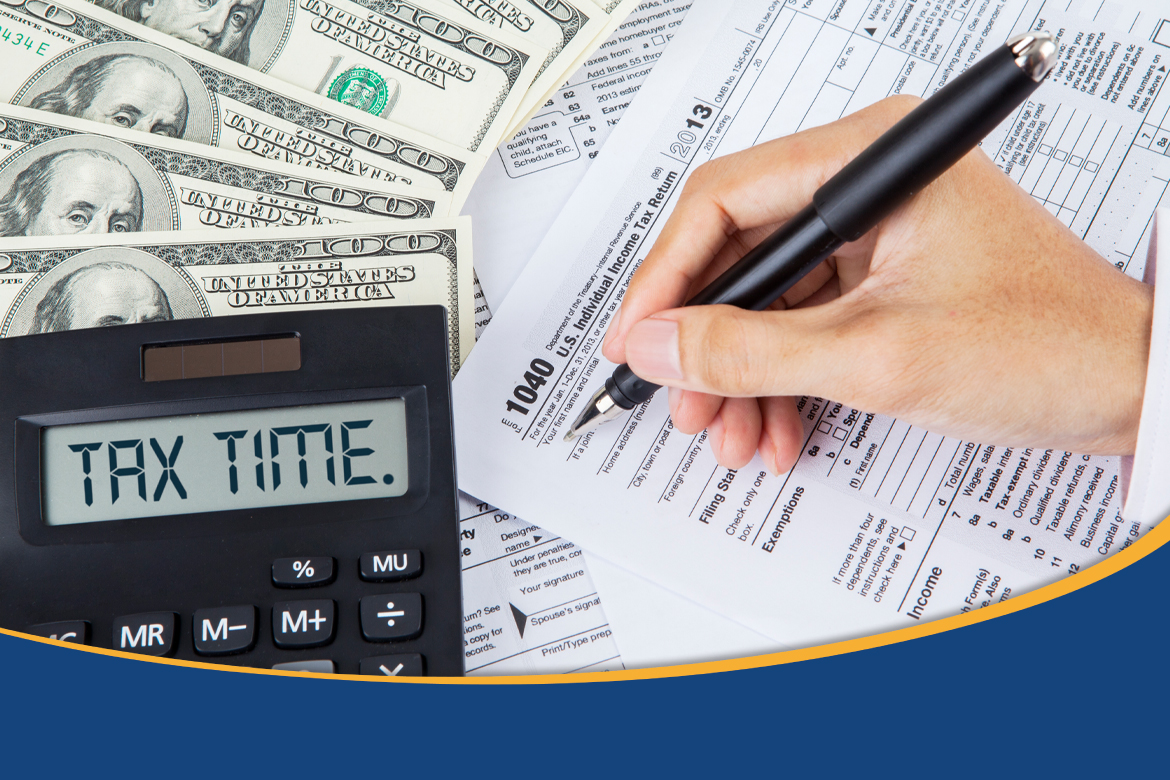
You should always be on the lookout for ways to improve your credit score. And while often overlooked, tax season is the perfect opportunity to give your score a boost. To understand how first review the components of your credit score.
Components of a Credit Score
- Amount Owed: How much you currently owe on your outstanding loans and credit cards.
- Payment History: How well you manage your financial obligations, including missed or late payments.
- Types of Credit: Whether you have a mix of credit, such as secured loans (auto or home) and unsecured loans (credit cards or personal loans).
- New Credit: Lines of credit or loans that you recently applied for or received.
- Length of Credit: How long your credit history is and the average age of your current credit accounts.
How to Boost Your Credit Score During Tax Time
After going through the hassle and stress of filing your taxes, using your refund check for a nice vacation might be ideal. However, using your refund check to improve your credit score could help you save even more money down the road when it comes time to finance a new car or house.
The two most influential and important components of your credit score are “Amount Owed” and “Payment History.” Luckily, your tax refund can help improve both areas.
Amount Owed
Using a portion of your tax refund to pay off existing debt is a wise move. First, it helps you reduce the amount of interest you’re paying each month. Secondly, it will give your credit score a boost.
When paying down debt, focus on unsecured debt first. This includes any loan not backed by collateral, such as credit cards or personal loans. Since these loans are unsecured, they typically have the highest interest rates.
Bonus Points: By eliminating credit card debt, you actually improve more than just your credit score. In addition to your credit history, lenders also use two popular ratios when deciding if they will approve a loan. Both these ratios will improve as you pay down your credit card balances.
- Unsecured Debt Ratio: Lenders assume more risk when lending money not backed by collateral, such as with credit cards. This ratio allows them to gauge how much risk they are taking by lending you money. To calculate your Unsecured Debt Ratio, divide your total unsecured debt by your annual income x 100. Most lenders prefer this number to be under 25%.
- Credit Utilization Ratio: Lenders like to see that you can manage credit responsibly. One way they do this is by calculating how much of your available credit you’re using. For example, if your credit card limit is $10,000 and your current balance is $7,500, you would be using 75% of your available credit ($7,500 / $10,000 x 100). Lenders prefer this number to be below 30%.
By using your tax refund to pay off high-interest, unsecured debt, you’ll save money on interest and boost your credit score. Plus, should you need a loan in the future, you will have also improved two key ratios lenders use when approving loans.
Payment History
Another strategy to boost your credit score with your tax refund requires a more proactive approach. Since payment history plays a significant role in your credit score, you can use your tax refund to ensure you never miss a payment in the future.
Deposit a portion of your tax refund into your emergency fund. Then, if you lack the funds to make a loan payment one month, you can dip into your savings to cover the amount and avoid any negative marks on your credit report.
Building your emergency fund is a proactive measure that protects your credit score down the road. Ideally, you should aim to put three to six months of living expenses in your emergency fund.
We’re Here to Help!
Using your tax refund to boost your credit score might not be as exhilarating as taking a mini vacation, but the long-term benefits could be significant. Your credit score is one of the most important numbers in your adult life. And your tax refund offers you the opportunity to improve that figure without a great sacrifice on your part.
For more information on improving your credit score or setting up an emergency fund for those unexpected expenses, we’re ready to help. Please stop by any convenient branch locations or call 800-782-4899 today.
Each individual’s financial situation is unique and readers are encouraged to contact the Credit Union when seeking financial advice on the products and services discussed. This article is for educational purposes only; the authors assume no legal responsibility for the completeness or accuracy of the contents.